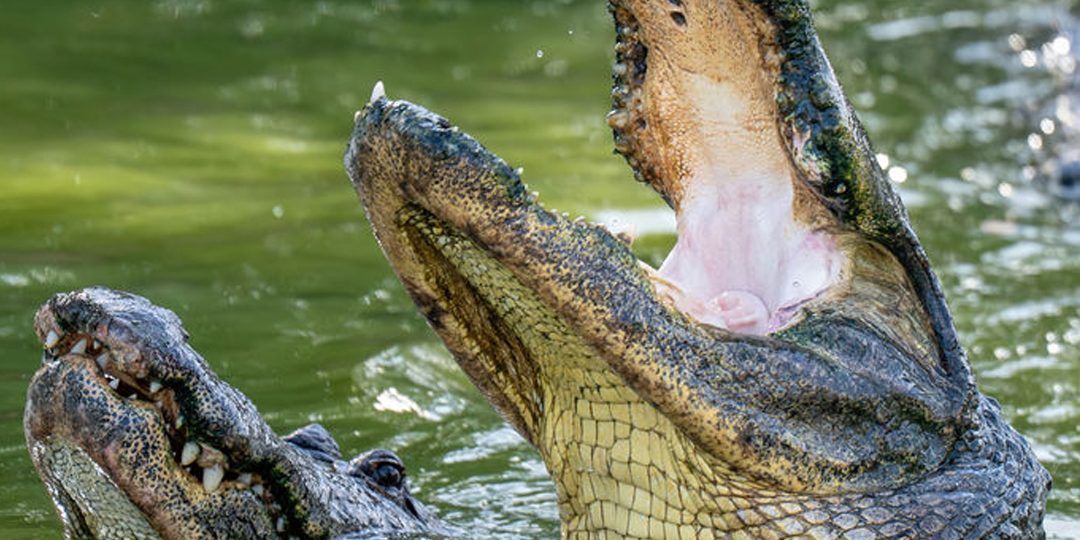
What You’re Seeing: A Closer Look at Gatorama’s Feeding Time
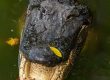
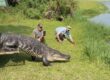
Photos of alligators being fed often spark curiosity and sometimes concern. At first glance, feeding can look intense, but it is actually one of the most important parts of responsible animal care.
At Gatorama, every feeding is carefully planned, closely supervised, and designed to support the health and natural behavior of each animal.
More Than Just a Meal
Alligators and crocodiles are powerful predators, and feeding allows them to express natural instincts such as lunging, biting, and holding prey. These behaviors are not signs of aggression. They are normal, instinctive actions that play a vital role in both physical and mental well-being.
Safety First—for Animals and Staff
Our animals are fed on a controlled schedule using appropriate food portions based on age, size, season, and temperature. Staff members use specialized tools and training to maintain safe distances while ensuring each animal receives proper nutrition.
Why Feeding Doesn’t Happen Daily
Unlike mammals, reptiles have slow metabolisms. Alligators do not need to eat every day, especially during cooler months. Feeding schedules are adjusted year-round to match natural cycles and environmental conditions.
A Learning Opportunity
Feeding moments provide valuable opportunities to educate guests about:
How alligators hunt in the wild
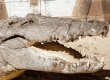
The strength and function of their jaws
Why they conserve energy between meals
How temperature affects digestion
Respecting These Remarkable Animals
Images like this remind us that alligators are wild animals deserving of respect. Observing them safely helps people better understand their role in the ecosystem and why coexistence matters.
Behind every feeding photo is a team committed to animal welfare, education, and conservation.